
Photo Book Offerings: Real Benefits for Family Clients
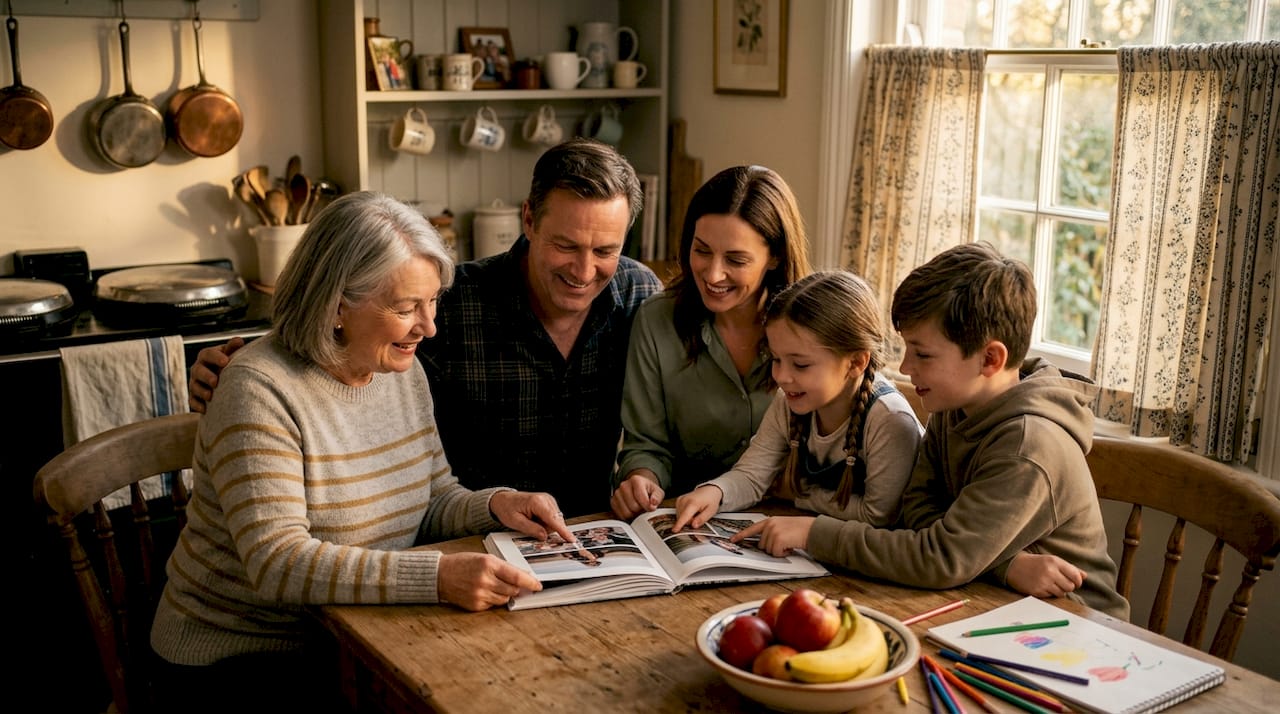
Photo Book Offerings: Real Benefits for Family Clients
Custom photo books are the most meaningful product a family photographer can offer. They transform digital files into tangible heirlooms that families return to for decades. The benefits of photo book offerings for family clients go far beyond nostalgia. They include archival durability, measurable mental health gains, and a proven lift in average order value when photographers present them the right way. This article covers every angle, from material quality to upselling strategy, so you can serve families better and build a stronger business at the same time.
1. What makes professional photo books superior for family clients?
Professional photo books use archival-quality acid-free paper and fade-proof inks tested for 100-plus years of durability. That standard is not a marketing claim. It is a measurable difference in how long your family’s memories stay vivid and intact.
Consumer photo books from big-box retailers often suffer from spine cracking, color shifting, and page warping within a few years. Professional albums avoid these defects through layflat binding and archival photographic paper that prevent warping and keep pages flat across the full spread. The result is a book that feels as good as it looks.
Print resolution matters too. High-resolution 300 DPI printing is the standard for professional quality albums. That level of detail captures the texture of a child’s hair, the warmth in a grandparent’s eyes, and the genuine joy of a candid moment in a way that a phone screen simply cannot replicate.
Acid-free paper prevents yellowing and brittleness over time
Fade-proof inks maintain color accuracy for generations
Layflat binding eliminates the gutter shadow that swallows center images
Durable covers in linen, leather, or acrylic protect pages from daily handling
300 DPI printing preserves fine detail that lower-resolution consumer books lose
Pro Tip: Show clients a side-by-side comparison of a consumer photo book and a professional album at your consultation. The tactile difference closes the sale faster than any verbal pitch.
2. How do photo books strengthen emotional connection for families?
Physical albums complete the memory preservation process in a way digital files never do. Digital images are often forgotten on hard drives or buried in cloud folders that no one opens. A physical album sits on the coffee table and invites interaction every single day.
Families who create photo books report that the process itself carries real emotional weight. Creating photo books reduces stress and increases positive mental health effects including gratitude and happiness. That means the act of curating and holding a finished book is genuinely good for your clients’ wellbeing.
“A photo album is not just a product. It is proof that your family existed, loved each other, and belonged together.”
Children especially benefit from seeing themselves in printed photographs. Albums give kids a visible record of their place in the family story. That sense of continuity and belonging is something no Instagram grid or shared Google Photos album can replicate.
Physical albums encourage storytelling between parents and children
Grandparents can share memories with grandchildren without needing a device
Albums become a focal point of joy at family gatherings
Repeated interaction with printed images deepens emotional memory
Tangible keepsakes outlast any social media platform or cloud service
3. What upselling strategies maximize photo book sales to family clients?
Presenting albums during initial consultations as essential, not optional, increases client commitment significantly. When families hear about the album at the very first meeting, they budget for it mentally before the session even happens. Introducing it as an afterthought at the delivery stage almost always results in a “maybe later” that never comes.
Bundling physical products with your photography services is one of the most direct ways to grow revenue. Bundling albums with photography services increases average order value by 40–60%. That is not a marginal gain. It is the difference between a session that covers your time and one that actually builds your business.
Physical samples are your most powerful sales asset. When a family holds a finished album, they stop thinking about price and start thinking about which photos they want inside it. That emotional shift is the moment the sale happens.
Include an album in your mid-tier and premium packages from day one
Bring physical sample albums to every in-person consultation
Bundle albums with wall art and lab prints to increase perceived value
Present two or three curated album options rather than an open-ended menu
Frame the album as a family legacy investment, not a line item on an invoice
Pro Tip: Position albums upfront as primary products rather than add-ons. Positioning albums as primary products transforms client perception from a logistical cost to an emotional family investment.
4. What are the advantages of curated photo book design for families?
Decision paralysis from too many photo choices is a major barrier to families completing album orders. When clients face hundreds of images and no clear direction, they stall. They delay. They eventually do nothing. Curated design removes that barrier entirely.
When you do the curation work for your clients, you give them a flowing story rather than a random grid. Curated photo book design removes overwhelm and generates a storytelling flow that clients genuinely appreciate. They feel seen, not just served.
Design approach | Client experience | Completion rate |
|---|---|---|
Client chooses every layout | High stress, frequent delays | Low |
Photographer curates fully | Relaxed, emotionally engaged | High |
Collaborative light curation | Balanced, guided decisions | Moderate to high |
The 70/30 ratio of candid to posed images is the most effective balance for authentic family storytelling. Candid shots carry the emotional weight. Posed images provide the structure. Together they create a book that feels real rather than staged.
5. How do photo books contribute to long-term family legacy?
Physical albums survive technological obsolescence in ways digital files cannot. Cloud services shut down. Hard drives fail. File formats become unreadable. A well-made album on archival paper does none of those things. It simply endures.
Heirloom-quality materials and layflat construction mean a photo book made today can realistically be passed from parent to child to grandchild. That intergenerational reach is the core of what makes a professional album worth far more than its price tag. Families are not buying a product. They are buying a piece of their own history.
Albums also invite repeated interaction in a way that digital files do not. A child flipping through a photo book at age eight will return to that same book at age thirty with completely different eyes. That repeated experience deepens family identity and rootedness across time.
Albums become heirlooms that carry family history across generations
Archival materials resist fading, yellowing, and physical deterioration
Physical books do not require electricity, a password, or a compatible device
Repeated handling builds emotional familiarity and shared family narrative
Professional albums outlast every consumer photo book and digital storage format
Key takeaways
Custom photo books are the most durable, emotionally resonant, and financially rewarding product a family photographer can offer, and presenting them upfront is the single most effective way to increase client investment.
Point | Details |
|---|---|
Professional quality matters | Archival paper and layflat binding prevent fading, cracking, and warping for generations. |
Emotional and mental health benefits | Creating and owning photo books reduces stress and increases gratitude in families. |
Upsell strategy drives revenue | Bundling albums with sessions increases average order value by 40–60%. |
Curated design removes barriers | Professional curation eliminates decision paralysis and increases order completion rates. |
Albums outlast digital files | Physical books survive cloud failures, device changes, and format obsolescence. |
Why I think families underestimate what a photo book actually does
Most families I talk to think of a photo book as a nice extra. Something they might get around to ordering someday. That framing is the problem, and it is one photographers can actually fix.
The families who invest in a professionally curated album almost always say the same thing when they hold it for the first time. They did not expect to feel that way about a book. They thought it would be pretty. They did not expect it to make them cry. That reaction is not accidental. It is what happens when a year of family life gets distilled into forty pages of beautifully printed, thoughtfully ordered images.
I have watched clients hesitate over the price and then come back months later saying it is the best thing they ordered. The hesitation is always about money. The regret is never about the album. It is always about the digital files they never printed.
The practical case is just as strong as the emotional one. Digital images get lost. Platforms change. Hard drives die. A layflat album on archival paper does not care about any of that. It just sits on the shelf and waits for someone to open it.
If you are a photographer reading this, present the album first. Not last. Not as an add-on. First. If you are a family considering whether to order one, the answer is yes. You will not regret it.
— Russell
Photivo makes it straightforward to sell photo books to families
Delivering a beautiful gallery is only part of the job. The other part is making it easy for families to order the products they will actually cherish for decades.
Photivo is the platform that sits between your editing workflow and your clients’ hands. It lets you deliver branded client galleries, sell prints, wall art, and photo books, and manage orders without juggling spreadsheets or third-party storefronts. Families get a clean, personal gallery experience. You get a sales platform built for photographers that handles the business side so you can focus on the craft. Check out Photivo’s pricing options and try it free.
FAQ
What makes professional photo books worth the higher price?
Professional photo books use archival acid-free paper, fade-proof inks, and layflat binding that prevent the cracking, fading, and warping common in consumer-grade books. That construction quality means a professional album can last for generations.
How do photo books benefit family clients emotionally?
Creating and owning a physical photo book reduces stress and increases feelings of gratitude and happiness. Physical albums also give families a visible, accessible record of their shared history that digital files cannot replicate.
When should photographers introduce photo books to family clients?
Photographers should present albums during the initial consultation, not at delivery. Introducing albums early frames them as an expected part of the experience and significantly increases the likelihood that clients will invest in one.
What image ratio works best for a family photo book?
A 70/30 ratio of candid to posed images creates the most authentic and emotionally resonant family album. Candid shots carry the emotional weight while posed images provide structure and visual anchors throughout the book.
Do photo books hold up better than digital files long-term?
Physical albums on archival paper outlast cloud storage, hard drives, and digital file formats. They do not require a device, a password, or a compatible platform to access, making them the most reliable form of long-term memory preservation.
Recommended
Photo Book Offerings: Real Benefits for Family Clients
Custom photo books are the most meaningful product a family photographer can offer. They transform digital files into tangible heirlooms that families return to for decades. The benefits of photo book offerings for family clients go far beyond nostalgia. They include archival durability, measurable mental health gains, and a proven lift in average order value when photographers present them the right way. This article covers every angle, from material quality to upselling strategy, so you can serve families better and build a stronger business at the same time.
1. What makes professional photo books superior for family clients?
Professional photo books use archival-quality acid-free paper and fade-proof inks tested for 100-plus years of durability. That standard is not a marketing claim. It is a measurable difference in how long your family’s memories stay vivid and intact.
Consumer photo books from big-box retailers often suffer from spine cracking, color shifting, and page warping within a few years. Professional albums avoid these defects through layflat binding and archival photographic paper that prevent warping and keep pages flat across the full spread. The result is a book that feels as good as it looks.
Print resolution matters too. High-resolution 300 DPI printing is the standard for professional quality albums. That level of detail captures the texture of a child’s hair, the warmth in a grandparent’s eyes, and the genuine joy of a candid moment in a way that a phone screen simply cannot replicate.
Acid-free paper prevents yellowing and brittleness over time
Fade-proof inks maintain color accuracy for generations
Layflat binding eliminates the gutter shadow that swallows center images
Durable covers in linen, leather, or acrylic protect pages from daily handling
300 DPI printing preserves fine detail that lower-resolution consumer books lose
Pro Tip: Show clients a side-by-side comparison of a consumer photo book and a professional album at your consultation. The tactile difference closes the sale faster than any verbal pitch.
2. How do photo books strengthen emotional connection for families?
Physical albums complete the memory preservation process in a way digital files never do. Digital images are often forgotten on hard drives or buried in cloud folders that no one opens. A physical album sits on the coffee table and invites interaction every single day.
Families who create photo books report that the process itself carries real emotional weight. Creating photo books reduces stress and increases positive mental health effects including gratitude and happiness. That means the act of curating and holding a finished book is genuinely good for your clients’ wellbeing.
“A photo album is not just a product. It is proof that your family existed, loved each other, and belonged together.”
Children especially benefit from seeing themselves in printed photographs. Albums give kids a visible record of their place in the family story. That sense of continuity and belonging is something no Instagram grid or shared Google Photos album can replicate.
Physical albums encourage storytelling between parents and children
Grandparents can share memories with grandchildren without needing a device
Albums become a focal point of joy at family gatherings
Repeated interaction with printed images deepens emotional memory
Tangible keepsakes outlast any social media platform or cloud service
3. What upselling strategies maximize photo book sales to family clients?
Presenting albums during initial consultations as essential, not optional, increases client commitment significantly. When families hear about the album at the very first meeting, they budget for it mentally before the session even happens. Introducing it as an afterthought at the delivery stage almost always results in a “maybe later” that never comes.
Bundling physical products with your photography services is one of the most direct ways to grow revenue. Bundling albums with photography services increases average order value by 40–60%. That is not a marginal gain. It is the difference between a session that covers your time and one that actually builds your business.
Physical samples are your most powerful sales asset. When a family holds a finished album, they stop thinking about price and start thinking about which photos they want inside it. That emotional shift is the moment the sale happens.
Include an album in your mid-tier and premium packages from day one
Bring physical sample albums to every in-person consultation
Bundle albums with wall art and lab prints to increase perceived value
Present two or three curated album options rather than an open-ended menu
Frame the album as a family legacy investment, not a line item on an invoice
Pro Tip: Position albums upfront as primary products rather than add-ons. Positioning albums as primary products transforms client perception from a logistical cost to an emotional family investment.
4. What are the advantages of curated photo book design for families?
Decision paralysis from too many photo choices is a major barrier to families completing album orders. When clients face hundreds of images and no clear direction, they stall. They delay. They eventually do nothing. Curated design removes that barrier entirely.
When you do the curation work for your clients, you give them a flowing story rather than a random grid. Curated photo book design removes overwhelm and generates a storytelling flow that clients genuinely appreciate. They feel seen, not just served.
Design approach | Client experience | Completion rate |
|---|---|---|
Client chooses every layout | High stress, frequent delays | Low |
Photographer curates fully | Relaxed, emotionally engaged | High |
Collaborative light curation | Balanced, guided decisions | Moderate to high |
The 70/30 ratio of candid to posed images is the most effective balance for authentic family storytelling. Candid shots carry the emotional weight. Posed images provide the structure. Together they create a book that feels real rather than staged.
5. How do photo books contribute to long-term family legacy?
Physical albums survive technological obsolescence in ways digital files cannot. Cloud services shut down. Hard drives fail. File formats become unreadable. A well-made album on archival paper does none of those things. It simply endures.
Heirloom-quality materials and layflat construction mean a photo book made today can realistically be passed from parent to child to grandchild. That intergenerational reach is the core of what makes a professional album worth far more than its price tag. Families are not buying a product. They are buying a piece of their own history.
Albums also invite repeated interaction in a way that digital files do not. A child flipping through a photo book at age eight will return to that same book at age thirty with completely different eyes. That repeated experience deepens family identity and rootedness across time.
Albums become heirlooms that carry family history across generations
Archival materials resist fading, yellowing, and physical deterioration
Physical books do not require electricity, a password, or a compatible device
Repeated handling builds emotional familiarity and shared family narrative
Professional albums outlast every consumer photo book and digital storage format
Key takeaways
Custom photo books are the most durable, emotionally resonant, and financially rewarding product a family photographer can offer, and presenting them upfront is the single most effective way to increase client investment.
Point | Details |
|---|---|
Professional quality matters | Archival paper and layflat binding prevent fading, cracking, and warping for generations. |
Emotional and mental health benefits | Creating and owning photo books reduces stress and increases gratitude in families. |
Upsell strategy drives revenue | Bundling albums with sessions increases average order value by 40–60%. |
Curated design removes barriers | Professional curation eliminates decision paralysis and increases order completion rates. |
Albums outlast digital files | Physical books survive cloud failures, device changes, and format obsolescence. |
Why I think families underestimate what a photo book actually does
Most families I talk to think of a photo book as a nice extra. Something they might get around to ordering someday. That framing is the problem, and it is one photographers can actually fix.
The families who invest in a professionally curated album almost always say the same thing when they hold it for the first time. They did not expect to feel that way about a book. They thought it would be pretty. They did not expect it to make them cry. That reaction is not accidental. It is what happens when a year of family life gets distilled into forty pages of beautifully printed, thoughtfully ordered images.
I have watched clients hesitate over the price and then come back months later saying it is the best thing they ordered. The hesitation is always about money. The regret is never about the album. It is always about the digital files they never printed.
The practical case is just as strong as the emotional one. Digital images get lost. Platforms change. Hard drives die. A layflat album on archival paper does not care about any of that. It just sits on the shelf and waits for someone to open it.
If you are a photographer reading this, present the album first. Not last. Not as an add-on. First. If you are a family considering whether to order one, the answer is yes. You will not regret it.
— Russell
Photivo makes it straightforward to sell photo books to families
Delivering a beautiful gallery is only part of the job. The other part is making it easy for families to order the products they will actually cherish for decades.
Photivo is the platform that sits between your editing workflow and your clients’ hands. It lets you deliver branded client galleries, sell prints, wall art, and photo books, and manage orders without juggling spreadsheets or third-party storefronts. Families get a clean, personal gallery experience. You get a sales platform built for photographers that handles the business side so you can focus on the craft. Check out Photivo’s pricing options and try it free.
FAQ
What makes professional photo books worth the higher price?
Professional photo books use archival acid-free paper, fade-proof inks, and layflat binding that prevent the cracking, fading, and warping common in consumer-grade books. That construction quality means a professional album can last for generations.
How do photo books benefit family clients emotionally?
Creating and owning a physical photo book reduces stress and increases feelings of gratitude and happiness. Physical albums also give families a visible, accessible record of their shared history that digital files cannot replicate.
When should photographers introduce photo books to family clients?
Photographers should present albums during the initial consultation, not at delivery. Introducing albums early frames them as an expected part of the experience and significantly increases the likelihood that clients will invest in one.
What image ratio works best for a family photo book?
A 70/30 ratio of candid to posed images creates the most authentic and emotionally resonant family album. Candid shots carry the emotional weight while posed images provide structure and visual anchors throughout the book.
Do photo books hold up better than digital files long-term?
Physical albums on archival paper outlast cloud storage, hard drives, and digital file formats. They do not require a device, a password, or a compatible platform to access, making them the most reliable form of long-term memory preservation.
Recommended
Explore More Articles


GEt started for free
Elevate your business with intuitive galleries with Photivo
Ready to Grow Your Photography Business? Sign Up Today!

GEt started for free
Elevate your business with intuitive galleries with Photivo
Ready to Grow Your Photography Business? Sign Up Today!
GEt started for free
Elevate your business with intuitive galleries with Photivo
Ready to Grow Your Photography Business? Sign Up Today!